

Join the Network

Where we live matters
We believe that everyone should have a safe, stable home.
We can help with housing solutions that will stay affordable for generations and housing policies that promote equity and inclusion.
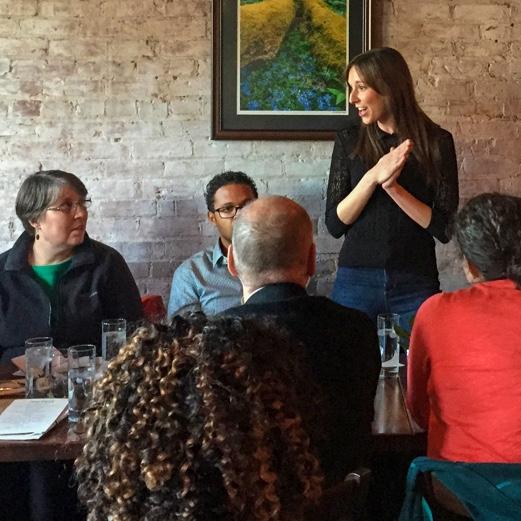
Working together brings change
We connect national and local expertise and bring together the networks, knowledge, and support needed to build inclusive communities.
We promote housing solutions that will stay affordable for generations so communities can stabilize and strengthen their foundations, for good.

I’ve been able to save more, finish college and raise my two children in this space. It’s been about about stabilizing my family and work life balance.
Resources for lasting affordability
Displacement and gentrification are tough realities, but they are not inevitable. We know what works to ensure that growth benefits all.
We connect people with proven solutions as well as with the tools and networks they need to implement them. Our Resource Library, Help Desk, grants and scholarships and other tools are all available to help you succeed.